
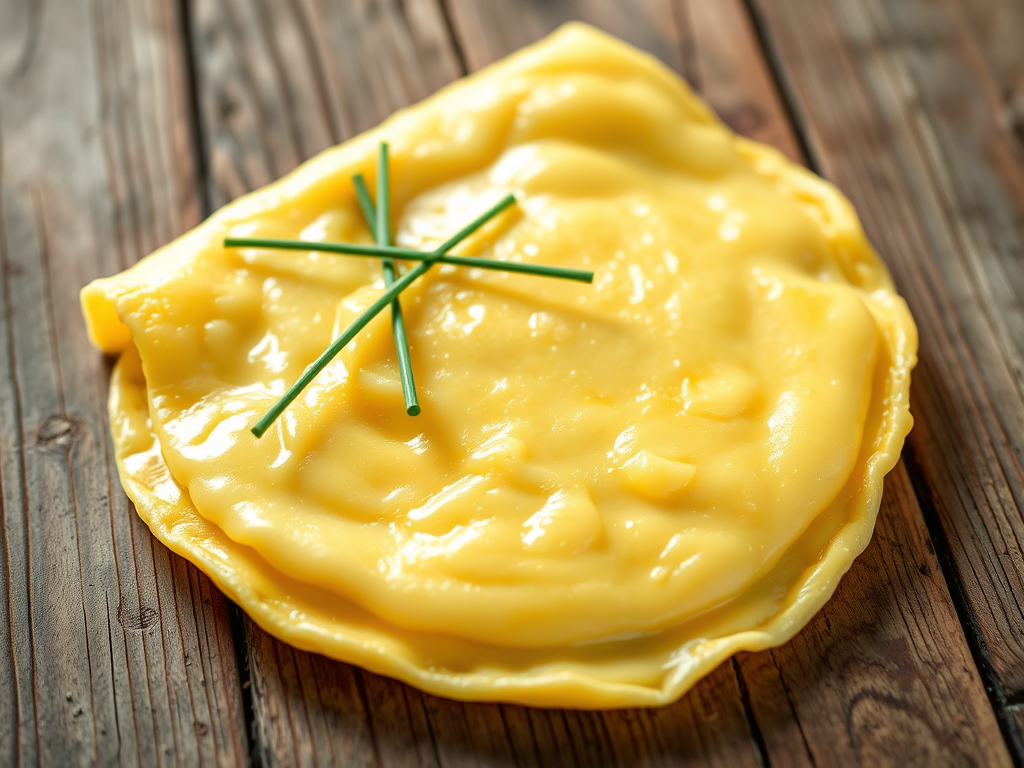

Option 1:
Unlike the browned, folded country-style omelette, the classic French version is smooth, pale yellow, and creamy inside (baveuse).
- Key Secret: High heat, constant agitation, and plenty of unsalted butter.
- Ingredients: 3 eggs, 1 tbsp unsalted butter, a pinch of fine sea salt, and fresh chives.
- Blog Tip: This makes a great “Technique” post. You can explain the importance of the “tuck and roll” method.
Option 2: Ratatouille (Provençal Vegetable Stew)
A vibrant, healthy dish from Nice that fits perfectly if you want to highlight fresh produce.
- Ingredients: Eggplant, zucchini, bell peppers, tomatoes, onions, garlic, and Herbes de Provence.
- Method: Sauté each vegetable separately to maintain their integrity, then simmer them together in a rich tomato base.
- Why it works: It’s naturally vegan and gluten-free, which is great for SEO and attracting a wider audience to your site.
Option 3: Steak Au Poivre (Peppercorn Steak)
For a more “high-end” blog entry, this is a bistro classic.
- The Sauce: This is the star. It’s a pan-sauce made by deglazing the steak drippings with cognac (or beef stock), adding heavy cream, and lots of crushed black peppercorns.
- Pairing: Suggest serving it with Pommes Frites (French fries) or a simple green salad.
Chef’s Q&A: Mastering the Quiche
Q: Why is my quiche crust soggy? A: This usually happens if the crust isn’t “blind baked” (pre-baked) before adding the liquid filling. Also, ensure your bacon and onions are drained of excess fat before putting them in the shell.
Q: Can I use milk instead of heavy cream? A: You can, but for that authentic French “silky” texture, a higher fat content is key. If you must use milk, use whole milk and add an extra egg yolk to maintain the richness.
Q: How do I know when it’s perfectly cooked? A: It should have a slight “jiggle” in the very center when you nudge the pan. If it’s firm all the way through, it’s likely overcooked and may become rubbery.
Nutrition Facts (Per Serving)
Based on 1 slice (1/8 of a 9-inch quiche)
| Element | Amount |
|---|---|
| Calories | 340 kcal |
| Total Fat | 26g |
| Protein | 12g |
| Carbohydrates | 15g |
| Calcium | 15% DV |
Healthy Tip: To lighten this up for your readers, suggest serving it with a large Arugula (Rocket) Salad with a lemon vinaigrette to cut through the richness.
Pro Chef Tips for recipes.aambublog.com/
- The “Golden Ratio”: For the perfect custard, use the ratio of 1 large egg to 1/2 cup of dairy. This ensures it sets perfectly every time without being too “eggy.”
- Chill the Dough: If making your own pastry, keep everything cold—even the flour. Cold butter creates steam pockets in the oven, which leads to a flaky, professional crust.
- Fresh Nutmeg: Never use the pre-ground stuff. A tiny grating of fresh nutmeg into the custard is the “secret ingredient” that defines a true French Quiche Lorraine.
- The Cheese Factor: While traditionalists use Gruyère, you can suggest Emmental or even a sharp white cheddar for a twist. Always grate it fresh so it melts smoothly.